

On this page ▾
- Introduction
- ASHRAE and EPA Standards
- Common Violations
- Local Building Codes
- Examples of Local Regulations
- Inspection Processes
- Types of Inspections
- Consequences of Violations
- Fines and Penalties
- Safety Risks
- Insurance Issues
- Prevention Strategies and Best Practices
- Design Phase
- Installation Phase
- Maintenance Phase
- Compliance Checklist
- 24/7 Emergency Service Availability
- Have Questions About Your HVAC System?
- Need Emergency HVAC Service?
- Related HVAC Services
The commercial HVAC systems in Channelview, TX, are subject to stringent regulations designed to ensure safety and efficiency. Understanding these codes is crucial for facility managers, property owners, and contractors managing commercial properties. Non-compliance can result in fines, failed inspectio...
Introduction

ASHRAE and EPA Standards
Adhering to American Society of Heating, Refrigerating and Air-Conditioning Engineers (ASHRAE) standards is essential for commercial HVAC systems. These standards outline guidelines for indoor air quality, energy efficiency, and system performance.
The Environmental Protection Agency (EPA) also plays a critical role in setting regulations related to refrigerants used in HVAC systems. The EPA's Clean Air Act restricts the use of certain ozone-depleting substances and mandates proper handling, recovery, and disposal.
Common Violations
- Inadequate Indoor Air Quality: Failing to maintain proper ventilation can lead to poor indoor air quality, violating ASHRAE Standard 62.1. This can result in health issues for occupants and potential legal action.
- EPA Refrigerant Violations: Improper handling of refrigerants during installation or maintenance can lead to fines from the EPA. Ensuring compliance with the Clean Air Act is crucial.
HVAC trouble can't wait in Channelview heat
Our licensed techs are standing by 24/7 for fast, reliable service.
Local Building Codes
Houston and Texas follow specific building codes that dictate HVAC system requirements. These codes are designed to ensure safety, comfort, and efficiency in commercial buildings.
Examples of Local Regulations
- Texas State Plumbing Code: This code outlines the installation standards for plumbing systems, including those related to HVAC. Violations can result in costly fines.
- Houston Fire Department Codes: These codes ensure that HVAC systems meet fire safety standards, such as smoke exhaust requirements and emergency power supply.
Inspection Processes
Regular inspections by local authorities are necessary to ensure compliance with building codes. Understanding the inspection process is key to maintaining compliant systems.
Types of Inspections
- Preliminary Inspections: Conducted during the design phase to ensure that proposed HVAC systems meet code requirements.
- Final Inspections: Performed after installation to verify compliance with all codes and standards.
Failing an inspection can lead to delays in project completion and increased costs. Ensuring compliance during the design and installation phases minimizes these risks.
Consequences of Violations
Ignoring HVAC code violations can have severe consequences, including fines, safety hazards, and legal issues.
Fines and Penalties
- EPA Fines: Can reach thousands of dollars for improper refrigerant management.
- Houston Fire Department Fines: May result in hefty fines and potential legal action for safety code violations.
Safety Risks
Violations can lead to health hazards such as poor indoor air quality, fire risks due to improper exhaust systems, and mechanical failures.
Insurance Issues
Non-compliant HVAC systems may not be covered by insurance in the event of a malfunction or accident. Ensuring compliance is essential for maintaining coverage.
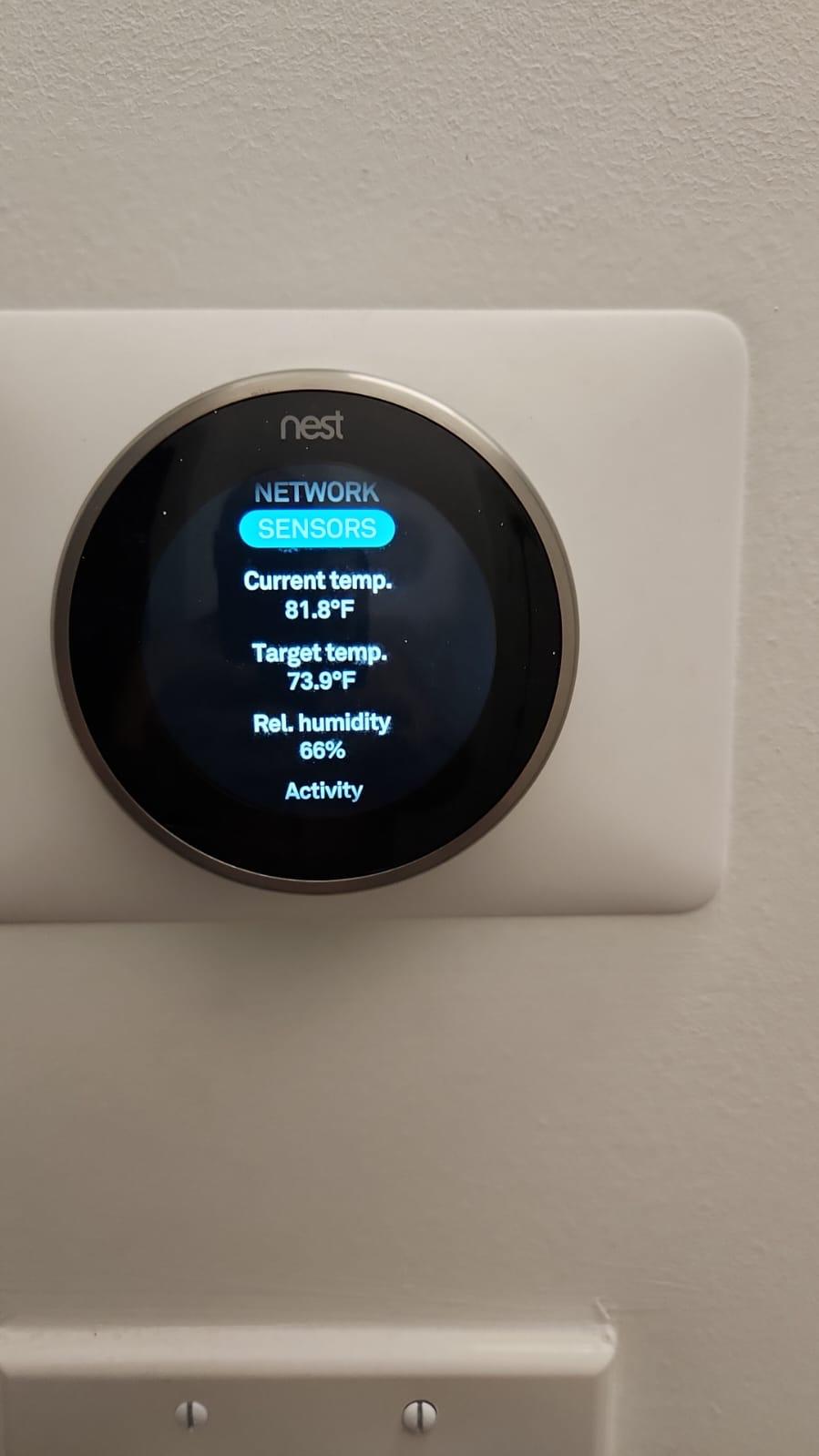
Prevention Strategies and Best Practices
To avoid HVAC code violations, it's important to follow best practices during design, installation, and maintenance phases.
Design Phase
- Consult Codes: Familiarize yourself with relevant ASHRAE, EPA, and local building codes before starting a project.
- Hire Qualified Professionals: Engage licensed HVAC contractors who are up-to-date on current regulations.
Installation Phase
- Follow Manufacturer Specifications: Install systems according to the manufacturer's guidelines to ensure safety and efficiency.
- Prioritize Proper Ventilation: Ensure that ventilation systems meet ASHRAE indoor air quality standards.
Maintenance Phase
- Regular Inspections: Schedule annual maintenance checks to identify and address potential issues before they become serious violations.
- EPA Refrigerant Management: Follow EPA guidelines for refrigerant handling, recovery, and disposal.
Compliance Checklist
To ensure your commercial HVAC systems are compliant with local codes, use this checklist as a guide:
- Review ASHRAE Standards: Ensure that your system meets the latest indoor air quality and efficiency standards.
- Comply with EPA Regulations: Manage refrigerants according to EPA guidelines.
- Familiarize with Local Codes: Understand Houston-specific building codes, such as those from the Texas State Plumbing Code and Houston Fire Department.
- Schedule Regular Inspections: Perform both preliminary and final inspections as required by local authorities.
- Maintain Safety Practices: Follow all safety guidelines during installation and maintenance to prevent violations and ensure the well-being of occupants.
24/7 Emergency Service Availability
In case of urgent code compliance issues, HVAC247PRO offers 24/7 emergency service. Our team is equipped to handle any HVAC emergency, ensuring that your systems remain compliant and safe.
Have Questions About Your HVAC System?
Our licensed technicians are ready to help. Get expert advice from Houston's trusted commercial HVAC professionals.
Need Emergency HVAC Service?
Related HVAC Services
All services performed by TX Licensed Contractor TACLB00105442E
Frequently Asked Questions
What should you know about ASHRAE and EPA Standards?
Adhering to American Society of Heating, Refrigerating and Air-Conditioning Engineers (ASHRAE) standards is essential for commercial HVAC systems. These standards outline guidelines for indoor air quality, energy efficiency, and system performance.
What should you know about Local Building Codes?
Houston and Texas follow specific building codes that dictate HVAC system requirements. These codes are designed to ensure safety, comfort, and efficiency in commercial buildings.
What should you know about Inspection Processes?
Regular inspections by local authorities are necessary to ensure compliance with building codes. Understanding the inspection process is key to maintaining compliant systems.
What should you know about Consequences of Violations?
Ignoring HVAC code violations can have severe consequences, including fines, safety hazards, and legal issues.
What should you know about Prevention Strategies and Best Practices?
To avoid HVAC code violations, it's important to follow best practices during design, installation, and maintenance phases.


